
Night vision cameras have become an essential part of modern security systems. They allow homeowners, business owners, and security professionals to monitor areas during low-light conditions or complete darkness.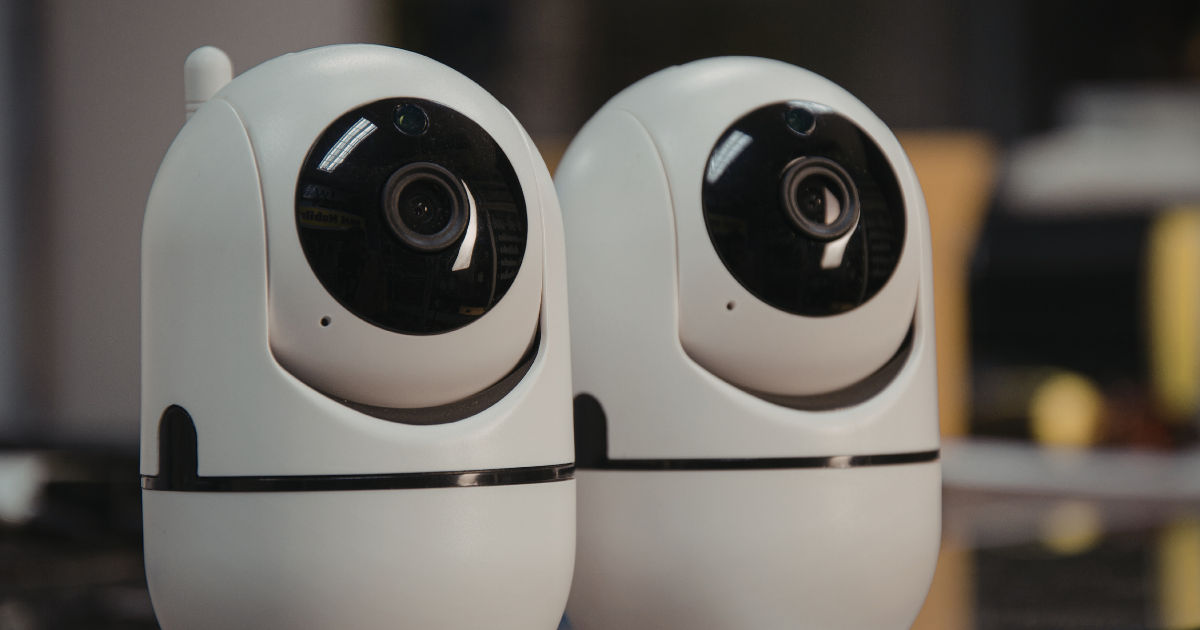
However, simply installing night vision cameras does not guarantee clear images. Proper placement, setup, and understanding of environmental factors are key to maximizing their effectiveness.
In this guide, we will discuss everything you need to know about placing night vision cameras for optimal clarity.
Understanding Night Vision Cameras
Night vision cameras are designed to capture images and video in low-light or no-light environments. They use infrared (IR) LEDs to illuminate the scene without visible light, allowing the camera to "see" in darkness.
There are two main types of night vision cameras:
-
Infrared Night Vision Cameras: These cameras emit infrared light to illuminate the area. They are perfect for outdoor monitoring and areas with no ambient light.
-
Low-Light Cameras: These rely on available light and enhance it using image processing technology. They work well in areas with some light sources, such as street lamps or moonlight.
Understanding the type of night vision camera you have is the first step toward placing it effectively for clear images.
Importance of Proper Placement
Placing night vision cameras correctly is crucial because poor positioning can lead to blurry, dark, or washed-out images. Factors such as distance, angle, and nearby light sources can affect camera performance. Proper placement ensures:
-
Clear identification of faces, license plates, or other important details
-
Minimal image distortion and glare
-
Effective coverage of entry points and vulnerable areas
Key Factors to Consider Before Installation
Before installing night vision cameras, consider these factors:
1. Field of View
The field of view (FOV) determines how much area your camera can cover. A wide-angle lens covers more area but may reduce the level of detail. Narrow-angle lenses provide detailed images but cover less space. Decide the type of coverage you need before installation.
2. Distance from Target
Infrared LEDs have a limited range. Placing the camera too far from the subject can result in dark or grainy images. Check your camera specifications for the effective IR range and ensure objects are within this distance.
3. Lighting Conditions
Avoid placing night vision cameras facing strong light sources, such as street lamps or car headlights. Excessive light can cause glare, reflection, and "blooming," which reduces image clarity.
4. Environmental Obstructions
Trees, walls, windows, and other obstacles can block infrared light or create shadows. Clear any obstructions or adjust the camera angle for an unobstructed view.
5. Camera Height and Angle
Mounting cameras at an appropriate height helps capture faces or identifying details. Typically, 8–10 feet above the ground is ideal for outdoor cameras. The angle should allow the IR light to illuminate the desired area without reflecting off surfaces like walls or windows.
Step-by-Step Guide to Placing Night Vision Cameras
Step 1: Conduct a Site Survey
Before installation, walk around the area and identify critical points that need monitoring. Consider entrances, exits, driveways, garages, backyards, and dark corners.
Step 2: Choose the Right Camera Type
Select a camera suitable for the environment. Outdoor cameras should be weatherproof and able to handle extreme temperatures. Indoor cameras can be smaller and focus on sensitive areas, such as hallways or cash registers.
Step 3: Test Different Angles
Set up a temporary mount and test different angles during nighttime. Check how well the infrared light illuminates the area and how clear the images appear. Adjust the camera until you achieve the desired clarity.
Step 4: Optimize IR Lighting
Ensure that infrared LEDs cover the area adequately. Some cameras allow you to adjust the intensity of the IR light. Avoid overexposure by keeping the light balanced.
Step 5: Avoid Reflective Surfaces
Windows, mirrors, or shiny floors can reflect infrared light back into the lens, causing blurry or washed-out footage. Position the camera so that IR reflections are minimized.
Step 6: Secure Proper Height and Positioning
Mount the camera at the optimal height and angle. Indoor cameras are often installed slightly above eye level, while outdoor cameras benefit from higher mounting points to cover wide areas.
Step 7: Connect and Test the System
Once installed, connect the camera to your monitoring system. Test it during nighttime conditions to ensure clarity. Adjust angles and IR intensity if necessary.
Common Mistakes to Avoid
Even with the best night vision cameras, improper placement can compromise image quality. Avoid these mistakes:
-
Facing Cameras Directly into Light Sources: This creates glare and reduces visibility.
-
Mounting Too High or Too Low: Cameras mounted too high may not capture details, while those too low can be obstructed.
-
Ignoring Camera Specifications: Each camera has different IR ranges and lens types. Installing outside these parameters reduces performance.
-
Neglecting Environmental Changes: Seasonal changes, like tree growth or snow accumulation, can obstruct IR light. Regular checks are essential.
Tips for Maximizing Clarity
-
Use Multiple Cameras: Covering an area with multiple cameras at different angles ensures comprehensive coverage.
-
Clean the Lens Regularly: Dirt, dust, or condensation on the lens can reduce clarity, especially at night.
-
Adjust IR Settings: Some cameras allow you to control the IR intensity. Adjust it according to the environment for optimal clarity.
-
Use External IR Illuminators: In extremely dark areas, external infrared lights can supplement the camera’s built-in LEDs.
Placement Guidelines for Specific Areas
Outdoor Perimeter
-
Mount cameras at entry points, driveways, and backyard corners.
-
Ensure a clear line of sight and avoid facing bright lights.
-
Use wide-angle lenses for large open areas.
Indoor Spaces
-
Place cameras in hallways, near entrances, or in high-traffic areas.
-
Avoid reflective surfaces or glass doors that can cause glare.
-
Focus on areas that require monitoring rather than trying to cover the entire room with one camera.
Parking Lots
-
Mount cameras at higher points to cover vehicles and walkways.
-
Ensure IR light can reach the far edges of the parking area.
-
Avoid placing cameras near bright street lamps.
Maintenance for Clear Night Vision
Proper maintenance ensures long-term clarity:
-
Regular Cleaning: Wipe lenses with a soft, dry cloth.
-
Check for Obstructions: Trim trees or shrubs that may block the view.
-
Test Night Vision Periodically: Check footage during different weather conditions.
-
Firmware Updates: Keep the camera system updated for optimal performance.
Advanced Techniques for Enhanced Night Vision
-
Backlight Compensation: Helps in high-contrast situations where bright lights are present.
-
Noise Reduction: Reduces graininess in low-light conditions.
-
Wide Dynamic Range (WDR): Balances lighting differences to improve clarity in both bright and dark areas.
-
Integration with Motion Sensors: Ensures IR lights activate only when motion is detected, enhancing clarity and saving energy.
Conclusion
Placing night vision cameras for clarity requires careful planning, testing, and ongoing maintenance. From understanding camera types and IR ranges to considering angles, lighting, and environmental factors, every detail matters. Proper placement ensures clear, detailed footage that enhances security and safety. By following this comprehensive guide, you can optimize your night vision cameras to capture the clearest images possible, day or night.
With regular maintenance and awareness of common mistakes, your night vision cameras will continue to perform effectively, giving you peace of mind knowing that your property or premises are well-monitored.
By understanding and applying these principles, you can make the most of your night vision cameras and create a reliable, high-clarity security system.