
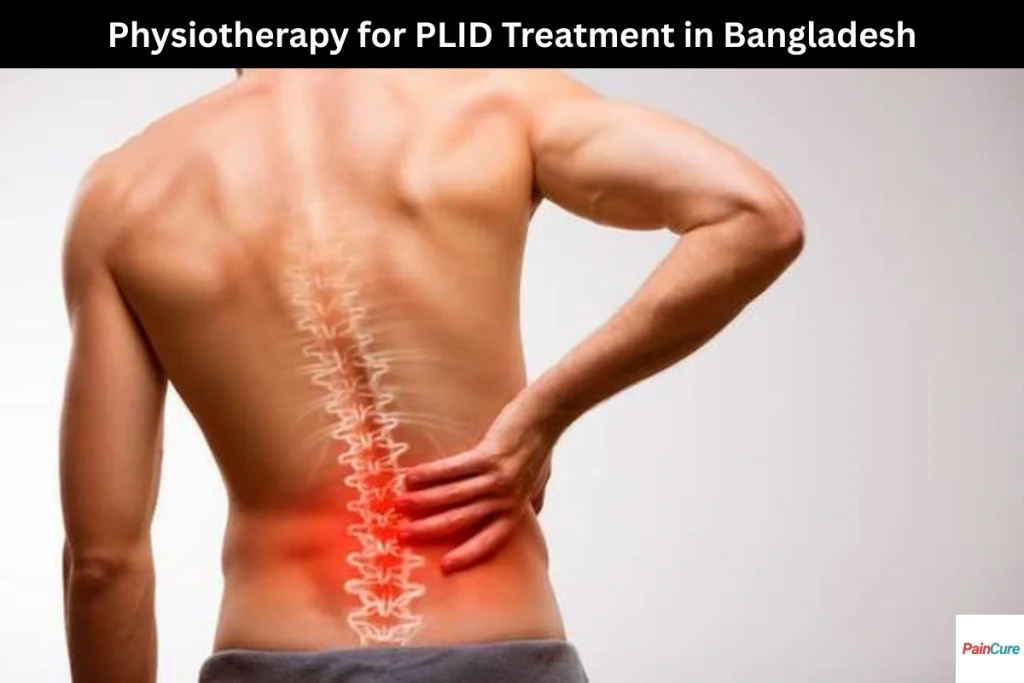
PLID(Prolapsed Lumbar Intervertebral Disc) is one of the most common spinal anaesthesia disorders, often referred to as a slipped disc. It occurs when the soft, gel-like focus on of a spinal anaesthesia disc(nucleus pulposus) bulges or ruptures through the street fighter outward layer(annulus fibrosus). This can constrict close spinal nervousness, leadership to pain, spiritlessness, and impuissance, especially in the lower back and legs.
Although plid is a sponsor cause of back pain worldwide, many populate are unwitting of its sincerity and seeking checkup treatment. Early diagnosis and proper management can prevent complications and improve timber of life.
Causes of PLIDClosebol
dSeveral factors can contribute to the of PLID, including:
- Aging and retrogression: Natural wear and tear weakens spinal discs over time.
Sudden wound: Lifting heavy objects incorrectly or choppy psychic trauma to the spikele.
Poor pose: Prolonged sitting in an inappropriate put across or slouching.
Obesity: Excess body slant adds stress on spinal anesthesia discs.
Repetitive strain: Repeated bending, twisting, or strenuous natural science natural process.
Genetic factors: Some individuals may have a higher genic risk of disc problems.
Symptoms of PLIDClosebol
dThe symptoms vary depending on the location and severeness of the disc prolapsus. Common signs let in:
- Low back pain that may ray to the rear end and legs.
Sciatica: Sharp, shooting pain that travels down the leg.
Numbness or tingling in the lour limbs.
Muscle weakness in the legs or feet.
Difficulty standing or walking due to nerve compression.
In severe cases, loss of vesica or intestine control(a medical checkup emergency).
Diagnosis of PLIDClosebol
dA doctor may advocate the following diagnostic tests to confirm PLID:
- Physical testing: To check reflexes, muscle strength, and nerve run.
X-ray: To rule out bone problems.
MRI(Magnetic Resonance Imaging): The most correct test for detective work disc prolapsus and nerve compression.
CT scan: Sometimes used for elaborated tomography of spinal structures.
Treatment of PLIDClosebol
dThe treatment plan depends on the hardness of the condition. It can be dual-lane into non-surgical and surgical methods.
1. Non-Surgical Treatment:Closebol
d
- Rest and modus vivendi qualifying.
Pain-relieving medications and anti-inflammatory drugs.
Physiotherapy and stretching exercises.
Epidural sex hormone injections for redness and pain ministration.
Use of body part support belts.
2. Surgical Treatment:If conservative treatments fail or the symptoms decline, surgical proces may be necessary. Common postoperative procedures let in:
- Discectomy: Removal of the herniated allot of the disc.
Laminectomy: Removal of part of the vertebra to unbosom pressure.
Minimally incursive pricker surgical proces: Smaller incisions with quicker recovery.
Prevention of PLIDClosebol
dTo tighten the risk of development PLID, watch over these prophylactic measures:
- Maintain good posture while sitting, regular, and lifting.
Exercise regularly to tone up back and core muscles.
Maintain a healthy angle to tighten strain on the sticker.
Avoid extended seance or standing in one position.
Use proper techniques when lifting heavy objects.
ConclusionClosebol
dPLID is a uncomfortable and potentially disabling condition, but with timely diagnosis and specific treatment, most patients can find and lead a pattern life. Maintaining a sound lifestyle, practicing pose, and seeking medical examination aid at the soonest signs of back pain can importantly reduce the risk of complications.